Drywall Soundproofing for Quiet CT Homes
Whether you live in a bustling neighborhood in New Haven or run a busy office in Stamford, unwanted noise can quickly become a major source of stress. From traffic sounds bleeding through the framing to the loud TV in the next room, managing noise is essential for a comfortable living and working environment. The good news? Effective drywall soundproofing is one of the most reliable and cost-efficient ways to block out the noise and restore your peace of mind.
For Connecticut property owners, upgrading your interior walls isn't just about aesthetics; it's about engineering a quieter, more private space. In this comprehensive guide, we will explore how advanced drywall techniques and materials can transform your property, whether you are upgrading a residential home theater or outfitting a commercial conference room.
Why Connecticut Properties Need Better Soundproofing
Connecticut features a unique blend of historic colonial homes, densely populated suburbs, and thriving commercial hubs. Older homes often feature thin, uninsulated walls that do little to stop sound transmission. Meanwhile, modern open-concept homes can sometimes act like echo chambers. By investing in professional drywall soundproofing, you not only improve your daily quality of life but also increase your property's overall market value.
Understanding Drywall Soundproofing Techniques
When it comes to blocking sound, standard half-inch drywall simply doesn't cut it. Sound travels through vibrations, and standard walls easily transfer these vibrations from one room to the next. To achieve true quiet, contractors rely on the principles of mass, dampening, and decoupling.
1. Adding Mass with Specialized Drywall
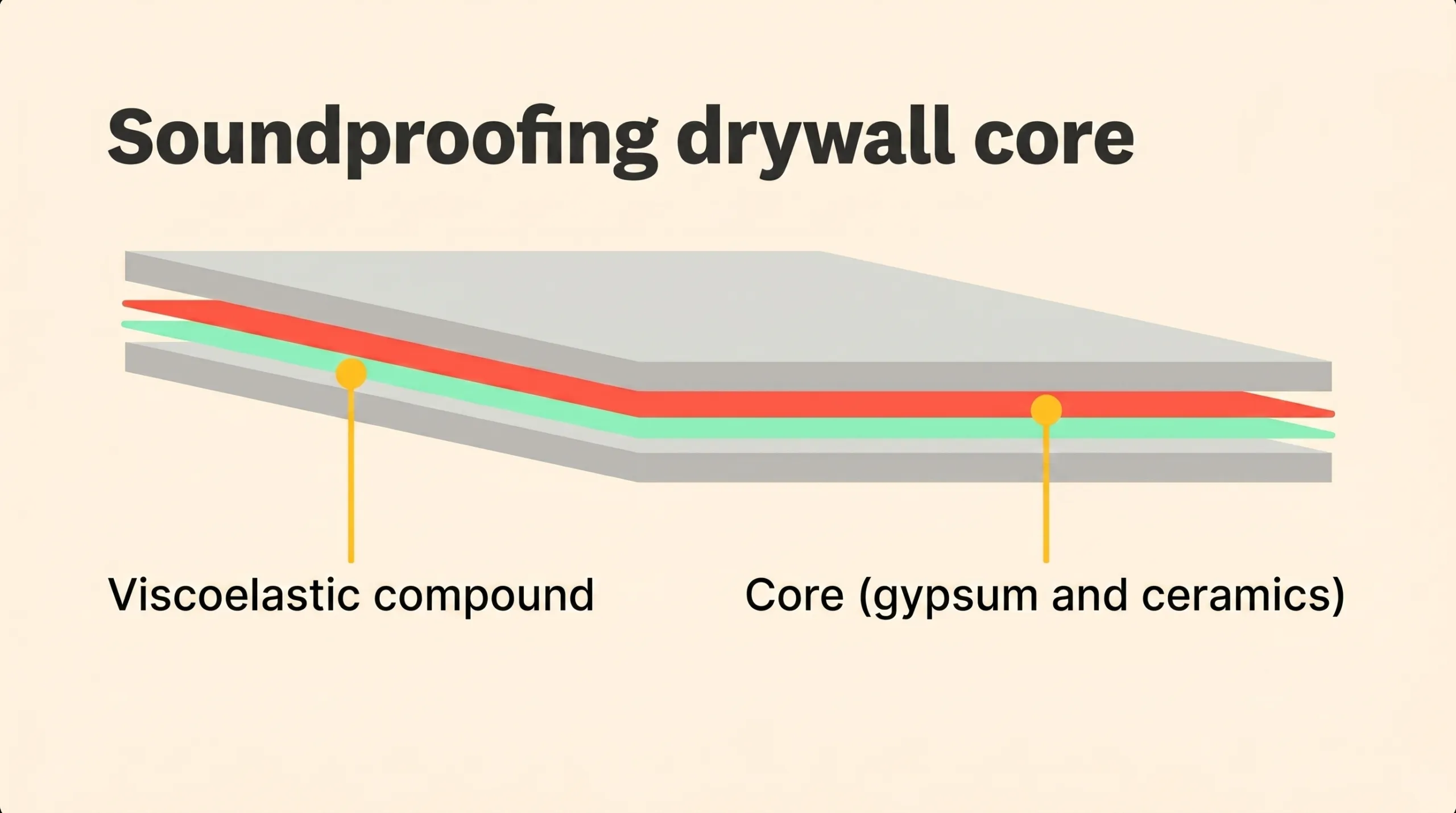
The heavier and denser a wall is, the harder it is for sound waves to penetrate it. Sound-engineered drywall, such as QuietRock, incorporates layers of gypsum, viscoelastic polymers, and sometimes ceramics to dramatically increase the mass and density of your interior walls. A single layer of this specialized drywall can offer the same sound-dampening power as up to eight layers of standard sheetrock.
2. Decoupling the Interior Walls
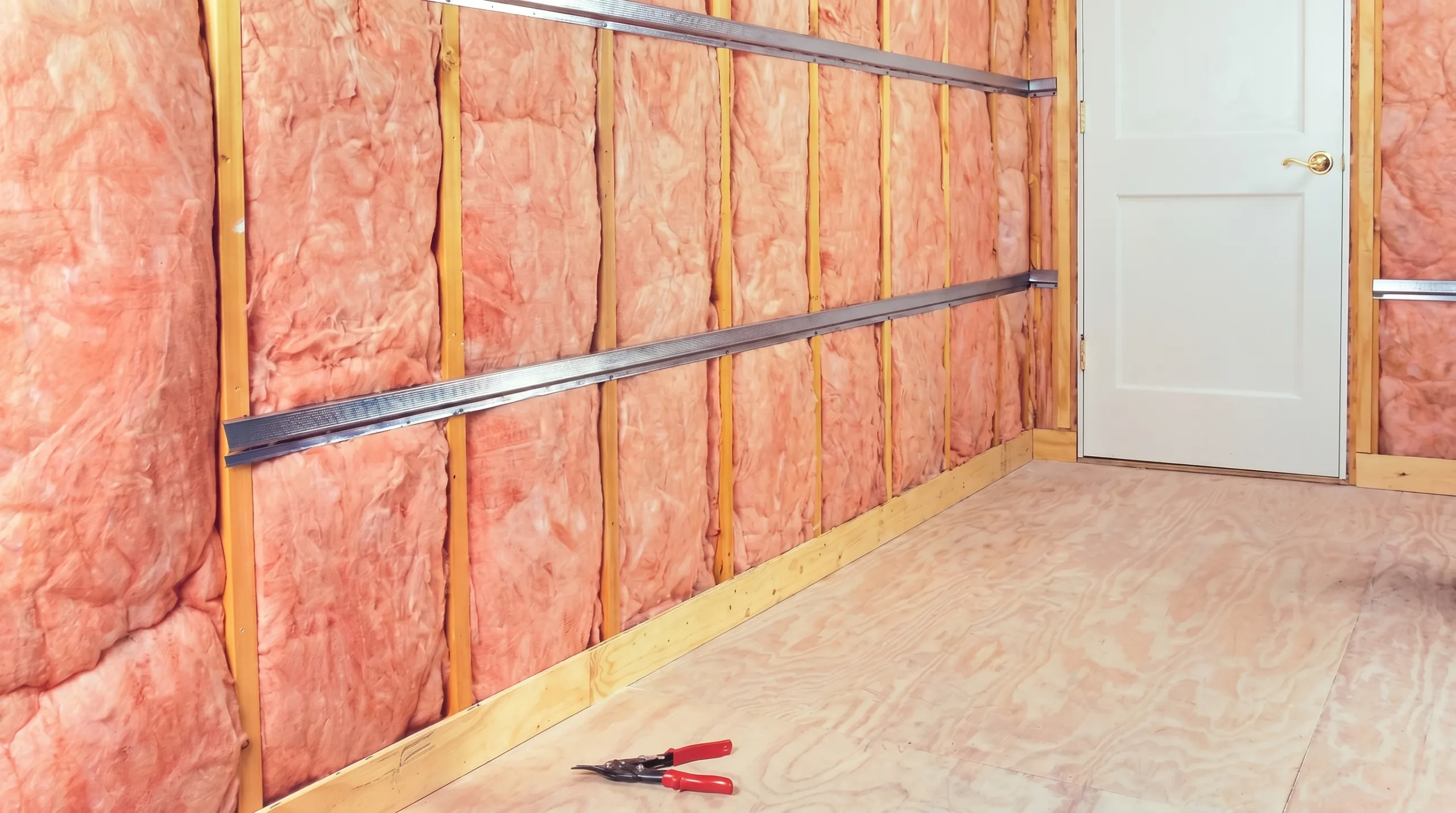
Decoupling is an engineering method used to separate the two sides of a wall so they do not share the same wooden studs. If the drywall panels touch the same stud, sound vibrations will travel straight through the wood. Contractors achieve decoupling by using staggered studs, double-stud walls, or resilient channels and isolation clips. These metal channels act as shock absorbers, allowing the drywall to "float" and breaking the path of the sound vibration.
3. Damping with Green Glue
Damping is the process of dissipating sound energy. A highly popular technique in drywall soundproofing involves sandwiching a layer of acoustic damping compound—most commonly known as Green Glue—between two sheets of drywall. When sound waves hit the wall, the compound converts the sound energy into a tiny amount of heat, effectively killing the noise before it reaches the other side.
Maximizing Peace and Quiet: Beyond Basic Drywall
While upgrading your drywall is the foundation of a quiet room, combining it with other acoustic treatments creates an impenetrable barrier against noise.
Integrating Acoustic Panels CT
For rooms that suffer from excessive echoing and reverberation—such as home theaters, recording studios, or open-plan commercial offices—adding acoustic panels CT is the perfect finishing touch. While drywall soundproofing stops sound from leaving or entering a room, acoustic panels improve the sound quality inside the room by absorbing internal echoes. When paired with high-quality interior walls, these panels provide the ultimate acoustic environment.
Proper Insulation
Never underestimate what goes inside the wall cavity. Standard fiberglass batts offer minimal acoustic benefit. Replacing or augmenting them with high-density mineral wool insulation (such as Rockwool) adds a crucial layer of sound absorption inside the wall cavity, preventing the hollow space from acting like a drum.
Commercial vs. Residential Soundproofing in CT
The strategies for soundproofing vary depending on the use case, but the demand for privacy is universal across both sectors.
For Homeowners
Residential clients in CT typically request drywall soundproofing for specific zones. Popular projects include isolating a basement home theater so the bass doesn't shake the upstairs bedrooms, soundproofing a nursery for a newborn, or creating a perfectly quiet home office to block out the sounds of a busy household. Upgrading the interior walls in these specific areas provides targeted relief without needing to gut the entire house.
For Businesses
In the commercial sector, privacy is often a legal and professional necessity. Medical clinics, law firms, and HR departments require confidential environments where conversations cannot be overheard in the waiting room. By utilizing advanced drywall soundproofing and strategic acoustic panels CT businesses can ensure client confidentiality, improve employee focus, and comply with privacy regulations.
Frequently Asked Questions (FAQ)
Does drywall soundproofing actually work?
Yes. By utilizing mass-loaded materials, damping compounds like Green Glue, and decoupling techniques like resilient channels, professional drywall soundproofing can drastically reduce both airborne noise (talking, music) and impact noise (footsteps, doors slamming).
What is the STC rating for soundproof drywall?
Sound Transmission Class (STC) measures how well a material stops sound. A standard interior wall typically has an STC of around 33. By upgrading to sound-engineered drywall, insulation, and decoupling clips, you can achieve an STC rating of 50 or higher, which makes loud speech virtually inaudible.
Can I soundproof an existing wall without tearing it down?
Absolutely. One of the most common and cost-effective retrofitting methods is adding a layer of Green Glue compound over your existing interior walls, followed by a second layer of standard or soundproof drywall. This adds mass and damping without the mess of a full demolition.
Ready for a Quieter Space?
You don’t have to live with disruptive noise. Whether you are building a new commercial office, finishing a basement home theater, or simply want to upgrade your home’s interior walls, our local Connecticut drywall experts are here to help. We specialize in custom drywall soundproofing solutions and the installation of acoustic panels CT residents trust for ultimate peace and quiet.
Don’t let noise dictate your comfort. Contact us today for a free consultation and estimate on your soundproofing project!