Why Epoxy Flooring Is Ideal for Connecticut Basements
For homeowners and business owners in Connecticut, the basement is often a problematic space. Whether you are dealing with the humid New England summers or the damp aftermath of a heavy snowmelt, maintaining a dry, functional, and attractive lower level is a constant challenge. If you are looking for the ultimate solution, installing an epoxy basement floor is the premier choice for both durability and aesthetics.
In this guide, we will explore why epoxy has become the "gold standard" for Connecticut basement upgrades, focusing on its superior moisture resistance, long-term value, and how it transforms dark, dusty concrete into a professional-grade living or working space.
The Unique Challenges of Connecticut Basements
In regions like Hartford, New Haven, and Stamford, basements face environmental stressors that quickly ruin traditional flooring like carpet or laminate. Concrete is naturally porous, acting like a sponge for ground moisture. This leads to mold, mildew, and "efflorescence"—that white, powdery salt deposit often seen on basement floors.
Moisture Control CT: Combatting New England Humidity
One of the most critical aspects of any renovation in the Northeast is moisture control CT. Traditional flooring traps dampness underneath, leading to structural rot and poor indoor air quality. An epoxy basement floor, however, creates an impermeable barrier. When professionally installed with a high-quality vapor barrier, epoxy prevents moisture from seeping through the slab, protecting your investment and your health.
Why Homeowners and Businesses Choose an Epoxy Basement Floor
Epoxy isn't just a coat of paint; it is a thermosetting resin that chemically bonds to the concrete substrate. This results in a surface that is significantly stronger than the concrete itself.
1. Unmatched Durability and Longevity
Whether you use your basement for heavy storage, a home gym, or a high-traffic commercial workshop, epoxy can handle it. It is resistant to impacts, abrasions, and heavy foot traffic, ensuring your basement upgrades look brand new for decades.
2. Aesthetic Versatility
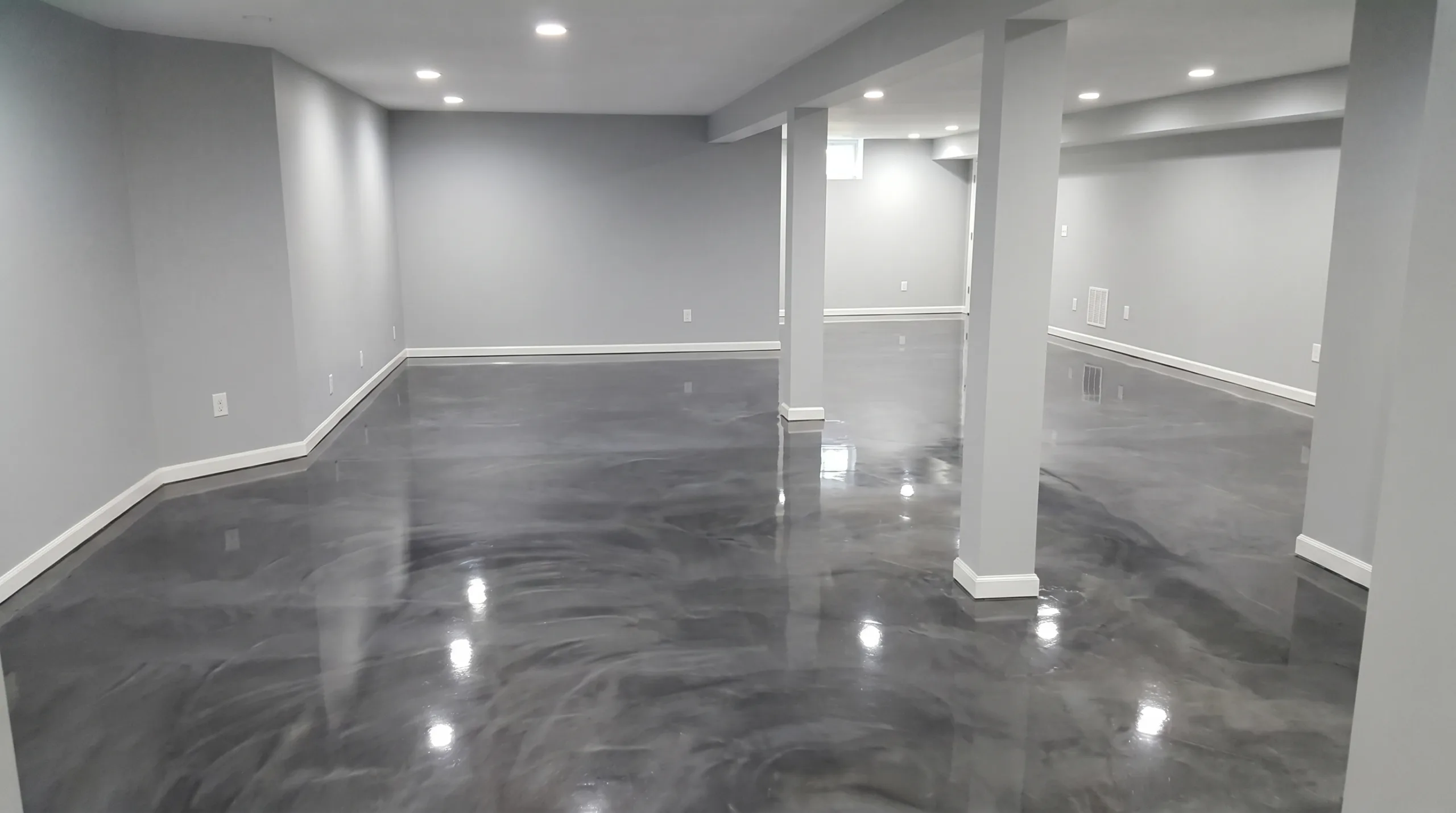
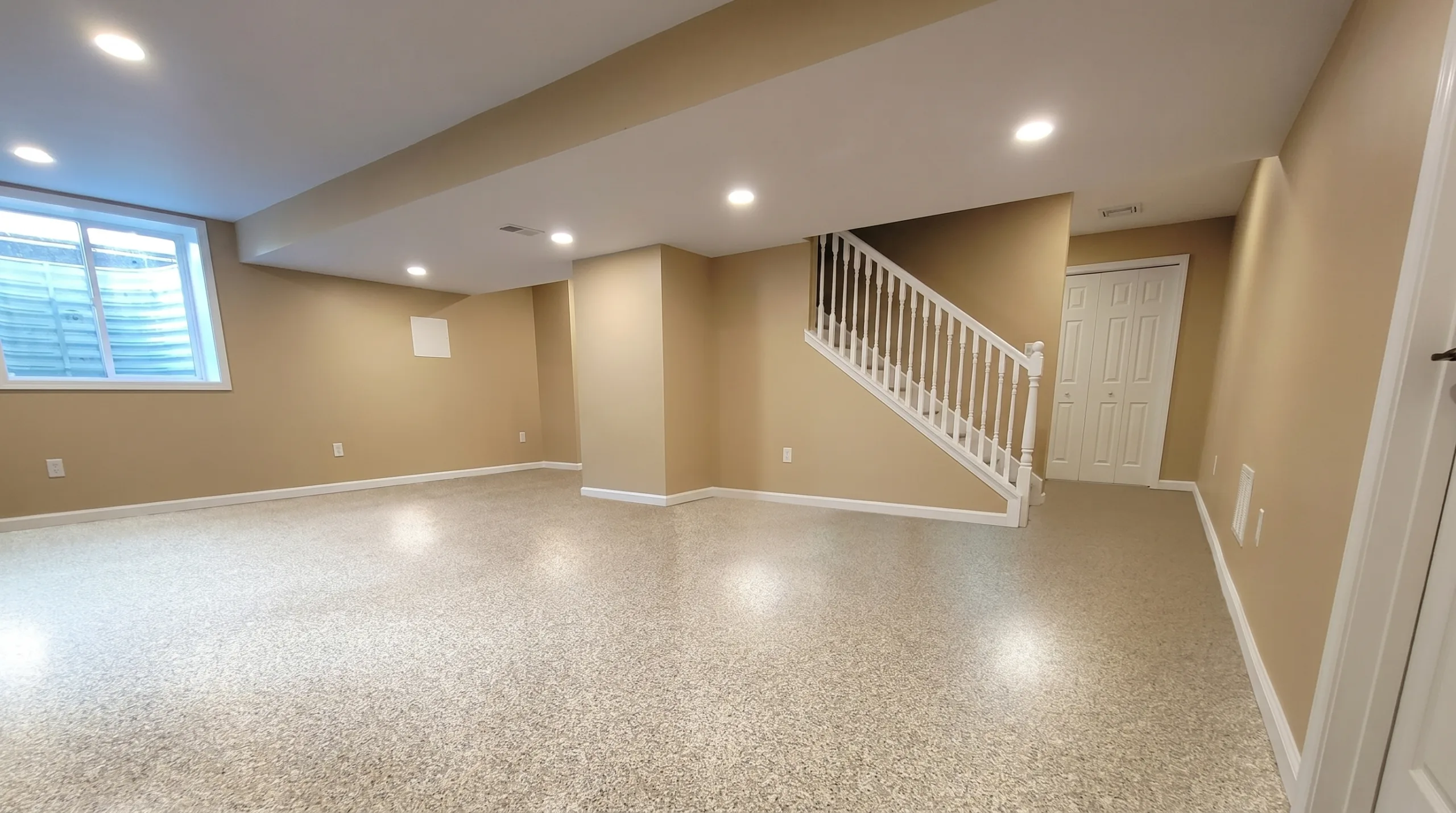
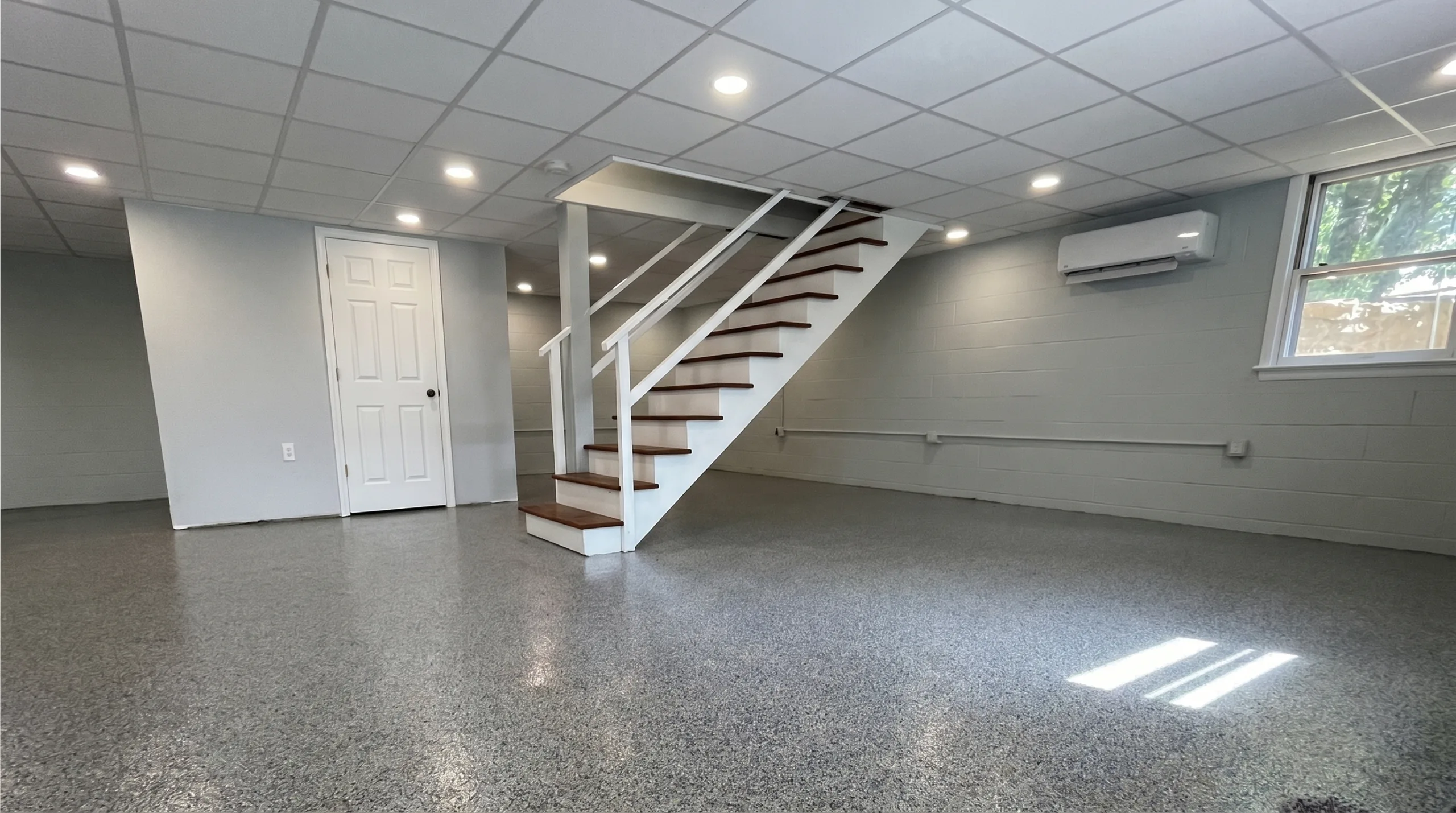
Modern epoxy systems offer endless design possibilities. From sleek, solid colors to decorative metallic finishes that mimic marble, or flake systems that provide a granite-like look, you can customize your floor to match any interior design style. It turns a utility space into a seamless extension of your home or business.
3. Low Maintenance and Hygiene
Because epoxy is non-porous and seamless, there are no grout lines or fibers to trap dirt, allergens, or bacteria. A simple dust mop and occasional cleaning with a pH-neutral cleaner are all you need to keep the surface pristine. This is particularly beneficial for CT businesses that must adhere to strict cleanliness standards.
Residential vs. Commercial Applications in CT
The versatility of an epoxy basement floor makes it suitable for various sectors across Connecticut:
- Residential: Transform your basement into a waterproof playroom, a sophisticated "man cave," or a clean home office.
- Commercial: Ideal for CT retail basements, storage facilities, and restaurants where easy-to-clean, slip-resistant, and fire-resistant flooring is required.
The Professional Installation Process
To ensure your epoxy basement floor lasts, professional preparation is key. This typically involves:
- Diamond Grinding: Opening the pores of the concrete to ensure a mechanical bond.
- Crack Repair: Fixing any existing damage to create a perfectly level surface.
- Moisture Testing: Assessing the slab to determine the need for specific moisture control CT primers.
- Base Coat & Broadcast: Applying the resin and adding decorative flakes or metallic pigments.
- Top Coat: A high-performance UV-resistant sealer for maximum protection.
Frequently Asked Questions (FAQ)
Is epoxy flooring good for a damp basement?
Yes. Epoxy is excellent for damp basements because it provides superior moisture control CT. It seals the concrete, preventing vapor from rising and stopping the growth of mold and mildew that usually affects carpet or wood.
How long does an epoxy basement floor last?
When professionally installed, a residential epoxy basement floor can easily last 20 to 25 years. In commercial settings with high traffic, it typically lasts 10+ years before requiring a fresh top coat.
Is epoxy flooring slippery when wet?
While smooth epoxy can be slippery, we can add anti-slip additives (like aluminum oxide or quartz) to the final coat to ensure a safe, high-traction surface, even in damp conditions.
Can I install epoxy over a painted basement floor?
For the best results, existing paint must be removed via diamond grinding. Epoxy needs to bond directly to the raw concrete to prevent peeling and ensure long-term durability.
Transform Your Space Today
Don’t let a damp, dusty basement limit your property’s potential. Whether you are looking for the ultimate moisture control CT solution or want to increase your property value with high-end basement upgrades, an epoxy basement floor is the smartest investment you can make.
Ready to upgrade your Connecticut property? Contact our local experts today for a free consultation and see how we can turn your basement into a durable, beautiful, and moisture-proof space!