Drywall vs Plaster: Best Option for CT Homes | Expert Guide
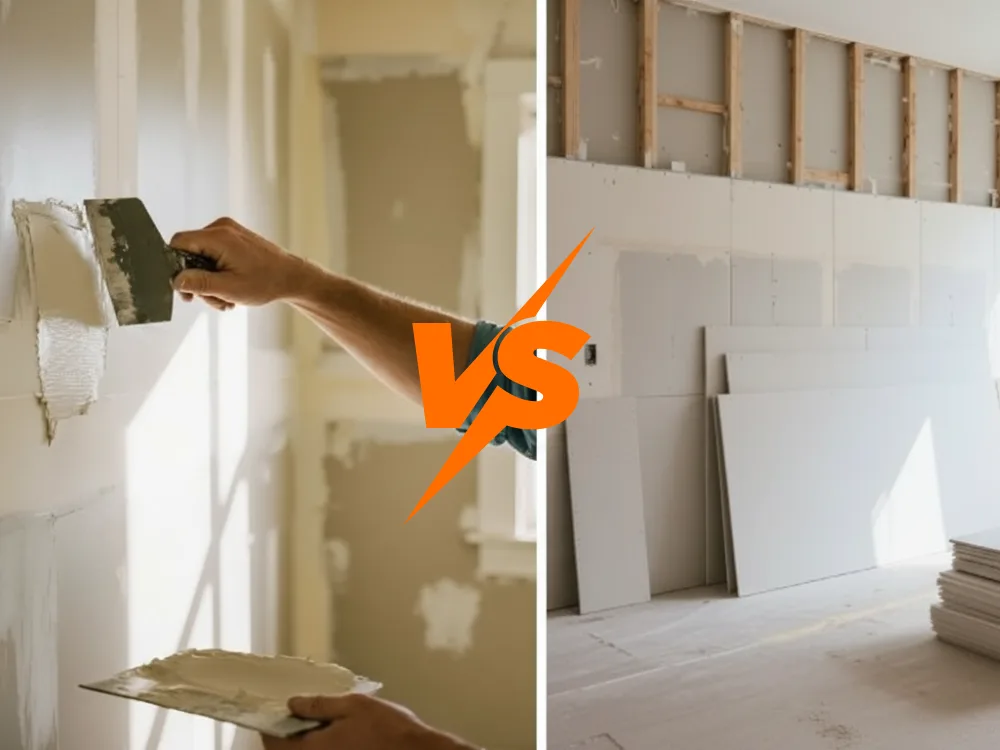
If you own a home or manage a commercial property in Connecticut, you’ve likely faced the age-old debate: drywall vs plaster. Whether you are restoring a historic Colonial in New Haven, updating a mid-century Cape in West Hartford, or building a modern office in Stamford, the materials you choose for your walls will define your property's durability, aesthetic, and resale value.
Deciding between drywall vs plaster isn't just about price; it’s about understanding how these materials hold up against the unique Northeast climate, from our humid summers to our freezing winters. In this guide, we’ll break down the pros and cons of each to help you make the best choice for your next home renovation.
Understanding the Basics: What’s the Difference?
Before diving into the comparison, it is essential to understand that these two materials represent different eras of construction. Plaster is the traditional method, used for centuries, while drywall is the modern standard that revolutionized the industry after World War II.
What is Plaster?
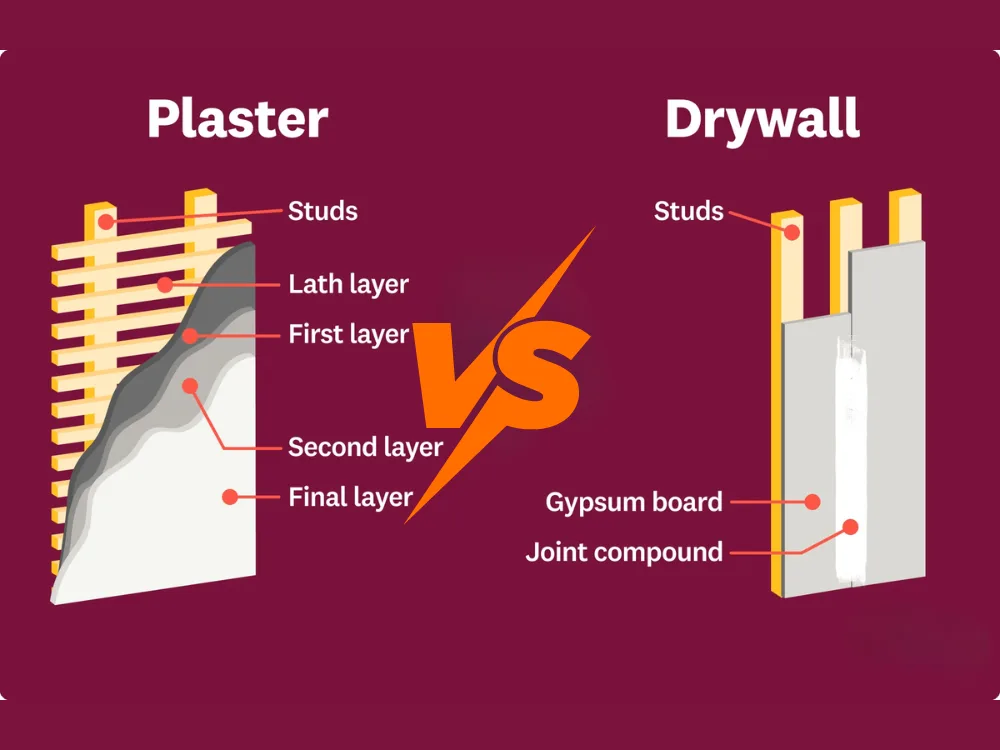
Plastering is a labor-intensive craft. It involves nailing wooden or metal "laths" to studs and applying multiple layers of wet plaster. In many of Connecticut's historic homes, this is the original material you’ll find. It is thick, rock-hard, and provides a high-end finish that is difficult to replicate.
What is Drywall?
Drywall (also known as gypsum board or sheetrock) consists of a layer of gypsum sandwiched between two sheets of heavy paper. It comes in large factory-made panels that are screwed directly into the wall studs, taped, and finished with a joint compound. It is the go-to choice for modern wall materials in CT due to its efficiency.
The Great Comparison: Drywall vs Plaster
| Feature | Drywall | Plaster |
|---|---|---|
| Installation Speed | Fast (Days) | Slow (Weeks) |
| Cost | Budget-Friendly | Premium/Expensive |
| Soundproofing | Moderate | Excellent |
| Durability | Standard | High (Impact Resistant) |
| Insulation | Average | Good Thermal Mass |
Why Connecticut Homeowners Often Choose Drywall
In the modern home renovation landscape, drywall is the undisputed king. Here is why most CT contractors and homeowners prefer it:
- Cost-Effectiveness: Drywall requires significantly less labor. Since time is money in the Connecticut construction market, drywall allows you to allocate your budget to other upgrades like kitchens or flooring.
- Fire Resistance: Modern drywall is treated with chemical additives that make it highly resistant to fire, a crucial safety feature for residential and commercial buildings alike.
- Ease of Repair: If a pipe leaks or you want to move an electrical outlet, cutting into drywall is simple. Patching it is a DIY-friendly task, whereas plaster repair requires a specialized artisan.
- Insulation Integration: Drywall is much easier to pair with modern fiberglass or spray foam insulation, helping you save on those high New England heating bills.
The Case for Plaster: When is it Worth the Investment?
Despite the popularity of drywall, plaster is not obsolete. It remains a "luxury" choice for specific scenarios:
Historic Restoration
If you are lucky enough to own a historic property in Fairfield County or Litchfield, maintaining the original plaster preserves the home’s integrity and historical value. Removing plaster for drywall can sometimes diminish the soul of an 18th-century home.
Superior Soundproofing and Aesthetics
Plaster is much denser than drywall. If you are building a home theater or a high-end office suite where privacy is paramount, plaster provides a natural sound barrier. Additionally, plaster allows for curved walls and intricate crown molding details that drywall simply cannot match.
Local Factors: The Connecticut Climate
Our state experiences significant shifts in humidity. One downside to drywall vs plaster in the Northeast is that plaster is prone to "spiderweb" cracking as a house settles or expands with the seasons. Drywall, being more flexible, tends to handle the shifting temperatures of Connecticut more gracefully, though it is more susceptible to water damage if your pipes freeze and burst.
Expert Verdict: Which Should You Choose?
For 90% of home renovations and commercial build-outs in CT, drywall is the logical choice. It is faster, cheaper, and more compatible with modern electrical and HVAC systems. However, if you are performing a high-end restoration or want the absolute best in sound dampening, plaster is a beautiful, albeit expensive, alternative.
Frequently Asked Questions (FAQ)
Is drywall cheaper than plaster in Connecticut?
Yes. On average, drywall installation is 30% to 50% cheaper than plaster due to lower material costs and significantly faster labor times.
Can I install drywall over my existing plaster walls?
Yes, many CT homeowners choose to "over-board" old plaster with thin 1/4-inch drywall. This provides a smooth surface without the mess of a full demolition, though it may require adjusting your door and window trim.
Which is better for resale value: drywall vs plaster?
In the CT market, clean and well-maintained walls are what matters most. While plaster is respected in historic homes, most buyers prefer drywall because it indicates that the home's infrastructure (wiring and plumbing) is likely updated.
How long does it take to install drywall in a standard room?
Typically, a professional crew can hang and finish a standard room in 3 to 5 days, including drying time for the joint compound. Plaster can take up to two weeks to fully cure.
Ready to Transform Your Connecticut Property?
Whether you’ve decided on the modern efficiency of drywall or need expert advice on your existing plaster walls, we are here to help. Our team specializes in high-quality interior finishes for homes and businesses across Connecticut.
Don’t settle for cracked walls. Contact us today for a free estimate and let’s get your renovation started!