
Best Tiles for Small Bathrooms in CT: Expand Your Space
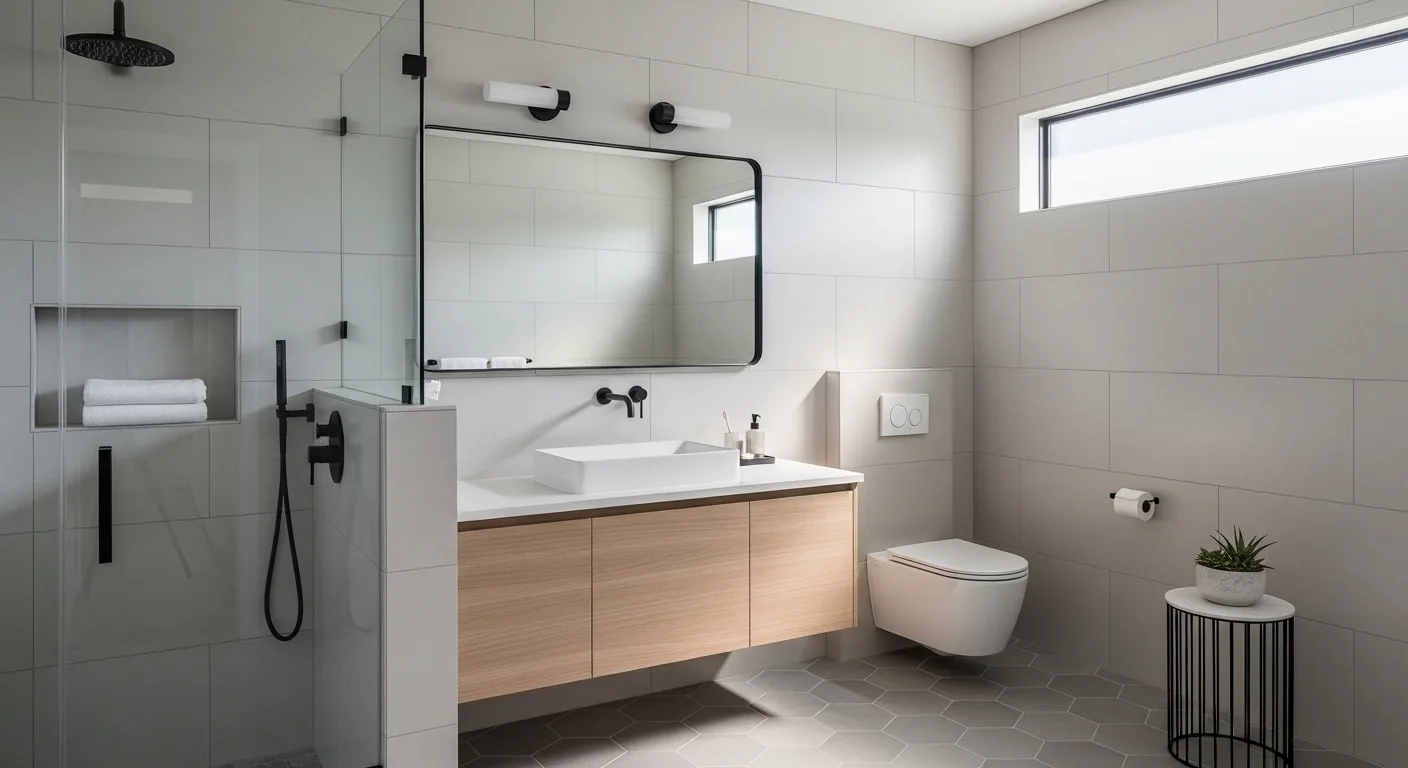
Whether you own a charming, historic colonial in Litchfield County or a sleek commercial property in downtown Stamford, dealing with compact bathrooms is a common challenge for Connecticut property owners. A tight space doesn't mean you have to compromise on style or luxury. In fact, choosing the right tiles for small bathrooms is the most effective way to visually expand your room, making it feel brighter, larger, and more inviting. With the right materials and expert installation, you can transform even the most cramped half-bath or narrow shower into a stunning oasis.
As local experts in Connecticut tile installation, we understand the unique architectural quirks of homes and businesses in our state. In this guide, we will walk you through the top strategies for selecting materials, planning your design, and executing a flawless project that elevates your property's value.
Why Your Material Choice Matters in Compact Spaces
When you are working with limited square footage, every single design element carries visual weight. The floor and wall coverings act as the canvas for the entire room. If you choose a pattern that is too busy or a color that is too dark, the walls can quickly feel like they are closing in on you. Conversely, strategic material choices can reflect light, blur the boundaries of the room, and create an illusion of depth.
Top Ideas: The Best Tiles for Small Bathrooms
Knowing what materials work best is the first step in planning your upcoming project. Here are the top recommendations from our design experts for making your compact space feel expansive.
1. Embrace Light and Neutral Palettes
Light colors naturally reflect both natural sunlight and artificial vanity lighting, which opens up the room. Crisp whites, soft creams, warm beiges, and gentle pastel grays are excellent choices. If you want to add a pop of color, consider keeping the primary wall and floor coverings neutral and introducing a subtle, colorful accent in the shower niche or along the backsplash.
2. The Magic of Glossy and Reflective Finishes
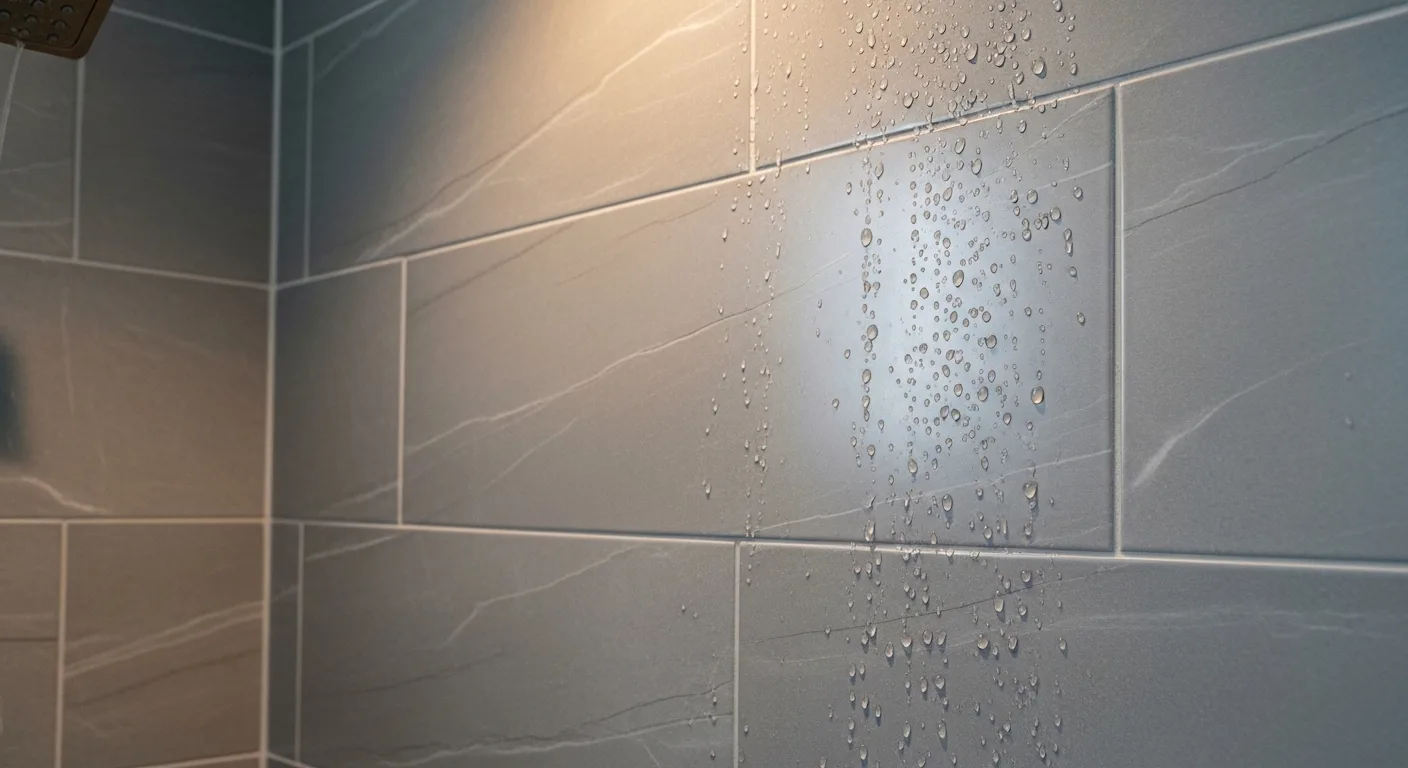
Matte finishes are trendy and offer great slip resistance for floors, but when it comes to walls, glossy finishes are a small bathroom's best friend. A polished ceramic or glass tile acts almost like a mirror, bouncing light around the room. This increased brightness tricks the eye into perceiving a much larger space.
3. Large Format Options vs. Small Mosaics
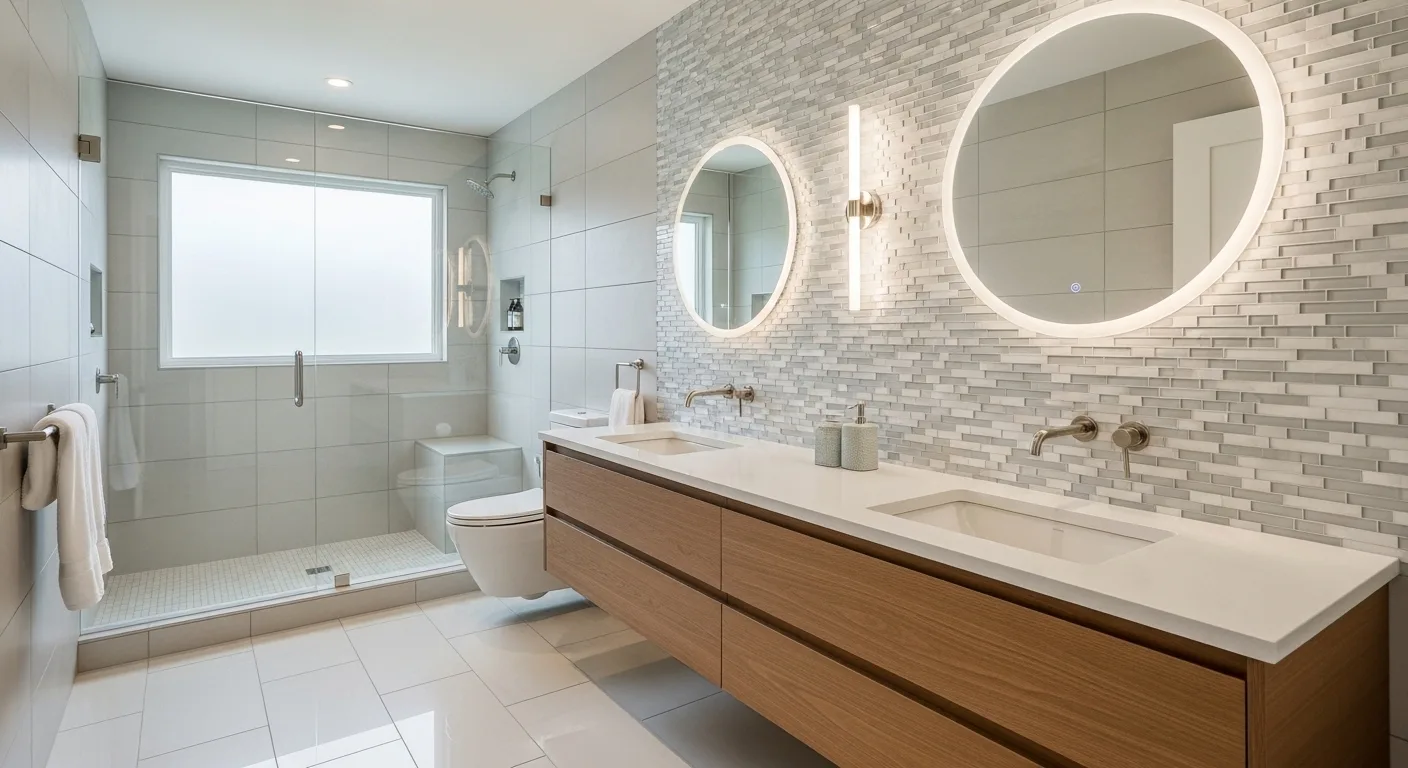
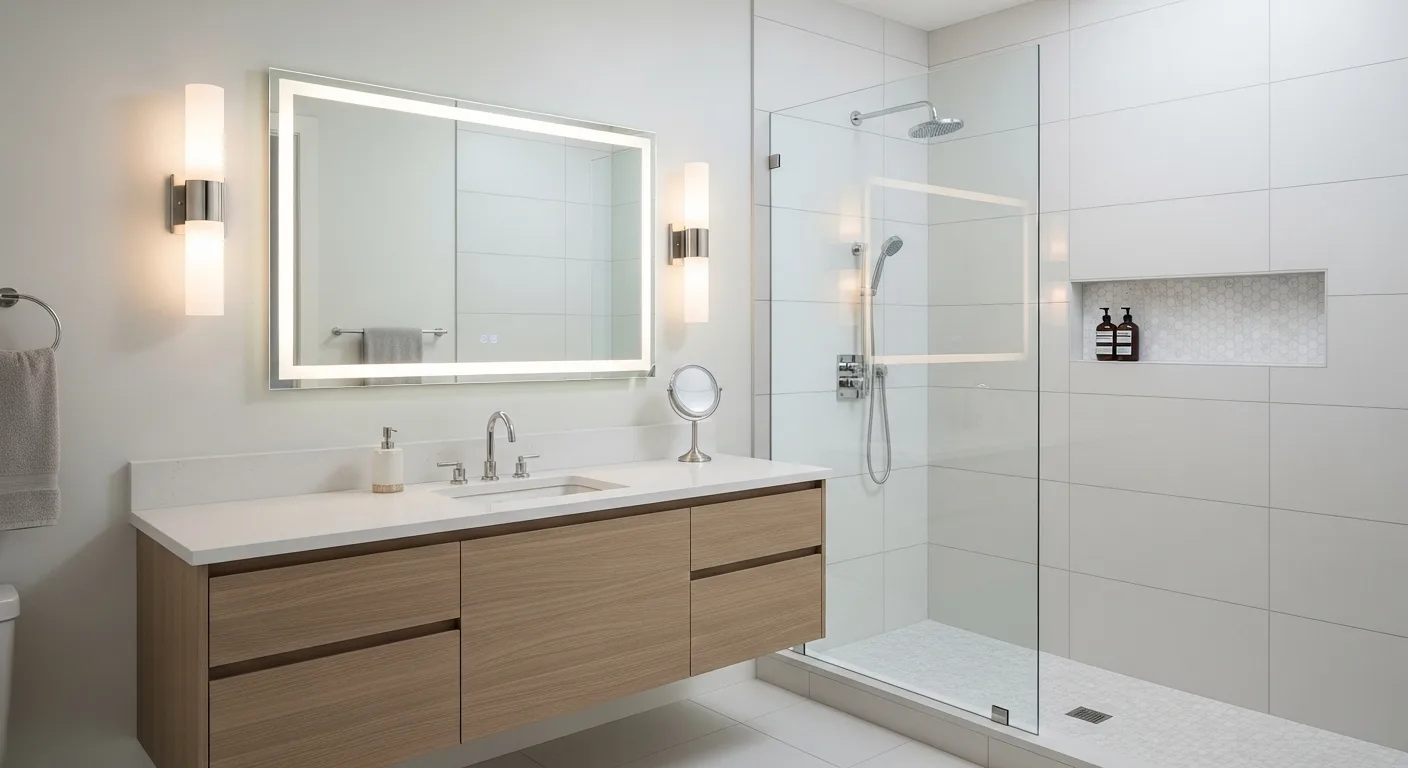
A common misconception is that small rooms require small tiles. In reality, large format tiles (such as 12x24 inches or even larger) are often the best tiles for small bathrooms. Large formats mean fewer grout lines. Fewer grout lines create a seamless, continuous look that makes the floor or wall appear vast and unbroken. However, small mosaics can still be used effectively on shower floors where the grout provides necessary traction, or as a continuous feature wall to draw the eye upward.
Mastering the Tile Layout
Selecting the perfect material is only half the battle; the way you arrange it is just as crucial. A strategic tile layout can manipulate the visual proportions of the room.
Vertical Stacking for Low Ceilings
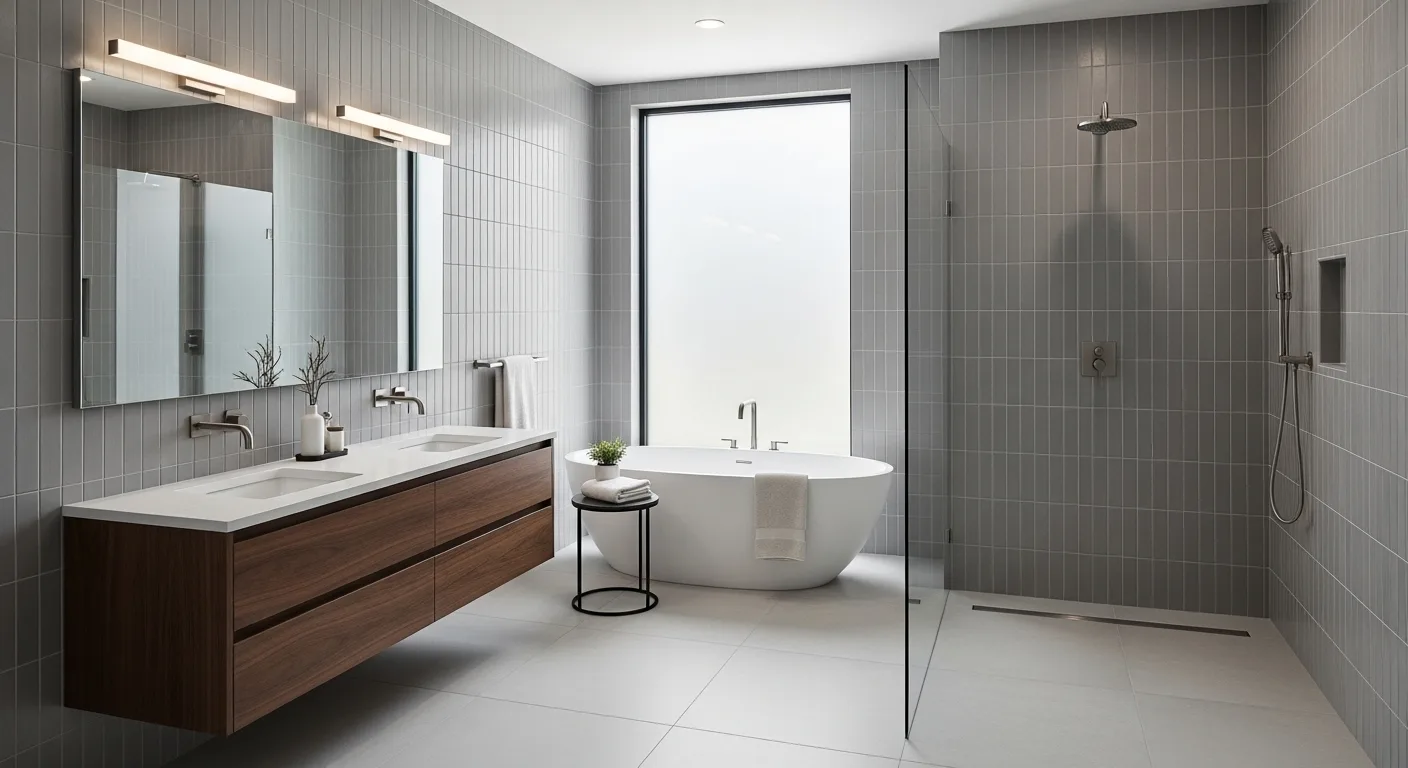
Many older homes in CT have lower ceilings. If you want to make the ceiling appear higher, take a rectangular tile (like a classic subway tile) and stack it vertically rather than horizontally. This draws the eye straight up, elongating the walls.
Diagonal Patterns for Narrow Floors
If your floor plan is narrow and boxy, laying your floor tiles on a diagonal (a 45-degree angle) can work wonders. Diagonal lines are the longest lines in a room, and this layout breaks up the rigid geometric grid of the walls, making the floor space feel wider and more dynamic.
Floor-to-Ceiling Coverage
Stopping your shower surround halfway up the wall chops the room in half visually. Taking the tile all the way from the floor to the ceiling creates a unified, grand appearance that elevates the entire aesthetic of the bathroom.
Planning Your Bathroom Remodel CT: Residential and Commercial
Whether you are upgrading your family home or renovating a commercial space to impress clients, a bathroom remodel CT requires careful planning and local expertise.
For Residential Properties
Homeowners should focus on creating a spa-like retreat while maintaining durability. Radiant floor heating beneath your newly installed porcelain floors can add a touch of everyday luxury during cold New England winters. We recommend focusing on cohesive designs that flow naturally with the rest of your home's architecture.
For Commercial Properties
For restaurants, offices, or retail spaces in Connecticut, durability and maintenance are just as important as aesthetics. We recommend high-traffic commercial-grade porcelain that mimics the look of natural stone but stands up to heavy use and frequent cleaning, all while making a strong impression on your patrons.
Frequently Asked Questions (FAQ)
What is the best tile size for a small bathroom?
The best tile size for a small bathroom is typically a large format, such as 12x24 inches. Larger sizes result in fewer grout lines, which creates a seamless, uncluttered look that visually expands the space. Small mosaics are best reserved for shower floors for slip resistance.
Do dark tiles make a small bathroom look smaller?
Yes, dark colors absorb light and can make a compact room feel enclosed and heavy. However, you can successfully use dark materials on the floor to anchor the room, provided you contrast them with very light, reflective wall coverings and ample lighting.
Should bathroom floor and wall tiles match?
They do not have to match exactly, but they should coordinate. Using the exact same material on both the floor and the walls (especially in a light color) can blur the lines of the room, making it feel much larger. If you mix materials, keep them within the same color temperature family.
What is the most cost-effective tile layout?
A standard straight lay (grid pattern) is usually the most cost-effective because it requires the least amount of cutting and produces the least waste. Complex layouts like herringbone or diagonal patterns require more labor and more material, which can increase the cost of your remodel.
Ready to Transform Your Bathroom?
Don’t let a tight floor plan hold back your design dreams. The right materials and a professional touch can turn your cramped layout into a spacious, luxurious retreat. If you are planning a bathroom remodel CT and need expert guidance on selecting the perfect tiles for small bathrooms, we are here to help.
Contact us today to schedule your free consultation and estimate! Let’s bring your vision to life with precision, quality, and local expertise.